
How to Plan Wedding Reception Formalities (Without Stress)
When couples think about wedding planning, they often focus on the big pieces — the venue, the dress, the flowers, the food. But the part that actually controls the flow of the entire reception is something many couples don’t think about until late in the process:
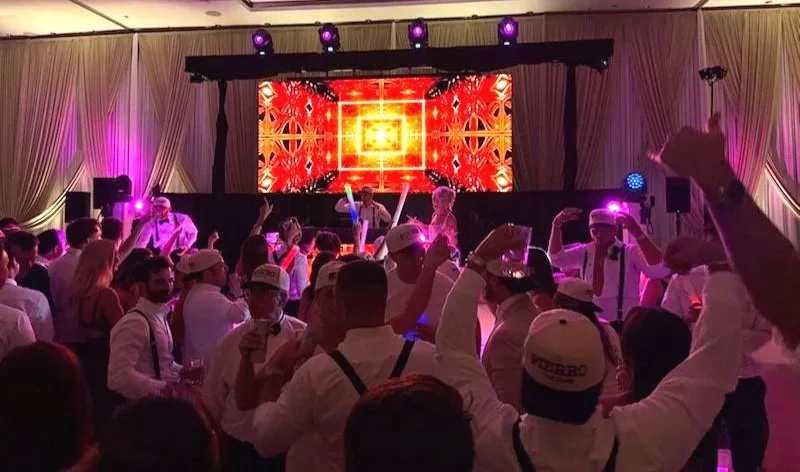
Wedding reception formalities.
Formalities are the key moments that turn your reception from a party into a story. When they’re planned well, the night feels smooth, emotional, and fun. When they’re rushed or out of order, the timeline can feel chaotic and guests start leaving early.
This guide will walk you through exactly how to plan your reception formalities in the right order, the right timing, and the right way.
What Are Wedding Formalities?
Formalities are the scheduled “spotlight moments” during your reception. These usually include:
Grand entrance
First dance
Cake cutting
Meal Blessing
Toasts/speeches
Parent dances
Bouquet & garter toss (optional)
Think of these as the milestones that structure the evening.
The Biggest Mistake Couples Make
The most common mistake is spacing formalities too far apart.
When major moments are spread randomly throughout the night, it constantly interrupts the dance floor and breaks the party momentum. Guests sit, stand, sit again, and eventually drift out early.
The best receptions group formalities strategically so the night naturally builds into an amazing dance party.
The Ideal Order of Reception Formalities
Here’s the timeline that consistently creates the best flow and keeps guests engaged.
1. Grand Entrance
This officially kicks off the celebration and sets the tone for the night.
Tips:
Keep entrances quick and fun
Avoid overly long introductions
Transition immediately into the next moment
There are many ways to do introductions.
Examples:
• Just the newlywed couple
• Wedding party pairs introduced individually (traditional ceremony style)
• Parents as a group → Bridesmaids as a group → Groomsmen as a group → newlywed couple
• Entire wedding party introduced together → newlywed couple
Pro tip: Go straight into your cake cutting after intros to keep the energy flow smooth.
2. Cake Cutting (Right after intros)
Plan this immediately after the introductions to transition from a high-energy moment into something fun with a slightly more relaxed pace.
Why now?
The media crew is already set up
You have the full focus of the room
It’s a transition into the next formality
The cake can be taken away and cut up for your guests right away
3. First Dance

This is the emotional “opening scene” of your reception.
Why it works early:
Everyone is already focused on you
No need to gather guests later
Creates a natural transition into dinner
Note: If you are uncomfortable dancing the whole song we can shorten it.
4. Welcome Toast / Blessing
Right after your first dance, move directly into:
Welcome speech
Prayer or blessing (if included)
Dinner
Note: Some couples prefer to skip this moment, and that’s perfectly okay. If you’d like to say a few words to your guests, this is a great time to do so. Your DJ/MC will bring a microphone to you while you are still in the middle of the dance floor, and most couples use this moment to offer a brief thank-you.
If you’re including a meal blessing, we recommend you personally invite the person giving the blessing to the microphone. This keeps the flow smooth and makes the moment feel more intimate & special.
If you choose not to have a welcome speech or meal blessing, the DJ/MC will simply invite guests to begin dinner.
5. dinner
Dinner is generally served three different ways.
Plated: Meals are served directly to guests at their tables, typically beginning with a salad or soup followed by the main course.
Family Style: Shared bowls and platters are placed on each table for guests to serve themselves.
Buffet: Tables are invited to a buffet line where guests fill their plates and return to their seats.
Plated Meal Notes: The DJ/MC will remind guests to remain seated while they are being served and to place their escort/place cards facing outward so the servers know which meal to deliver.
Buffet Notes: This kind of meal generally takes longer to execute. Make sure you have a catering company able to release tables in an orderly fashion.
Vendor Meals: Most vendors have a meal included in their contract. After you and the head table are served, we recommend feeding your vendors next so they can eat quickly and be ready to work without delaying the timeline.
6. Toasts & Speeches
There are a few options here, and the best choice usually depends on the type of dinner you select.
Plated: Toasts typically take place right after salads are served, making use of the natural lull while guests are eating without interrupting conversation during the main course.
Family Style: This tends to move the fastest. We allow all the food to be served first so guests can begin eating. Once the servers have finished and the room settles “quickly”, we move into the toasts.
Buffet: Because buffets take the longest and involve more movement and noise, we usually schedule toasts right away so your VIPs aren’t interrupted by guests walking around or clinking plates.
Notes: Limit toasts to 2–4 speakers to keep the energy and timeline moving. Ask each speaker to keep their toast to about two minutes.
What we do differently: We invite you to choose a fun, “hype” song for each speaker and keep it a surprise. Instead of a few seconds of applause followed by a long walk to the microphone in silence, we play their song as they approach, creating a smooth and entertaining transition.
After each toast, we listen for a natural closing moment and play a song that fits as guests raise their glasses and applaud. The speaker can then share hugs with the couple and return to their seat while music continues. Think of your wedding like a Hallmark movie — there’s always music in the background to enhance the moment and avoid dead air.
Once the toasts are completely finished, the DJ/MC continues working while guests enjoy dinner. We eat quickly—usually behind the booth—and begin mixing music. We may start with Rat Pack or light classical-style selections, then gradually blend in funk, disco, Top 40, tropical house, and more. Our goal is to keep the dinner atmosphere musically engaging and never stagnant, creating a natural sense of progression that keeps guests excited for the dance floor! Keep in mind that these are all simply professional suggestions. You can be as hands on with the music as you like and we 100% make the best of whatever guidelines you wish us to follow.
What’s next? About three-quarters of the way through dinner, you’ll notice the energy in the room begin to shift—guests start talking louder, getting up, and moving around. This is typically our cue to move into the next formality: the parent dances.
At this point, the DJ/MC will check in with you to see if you’re ready or if you’d like a few more minutes. This is a great time to use the restroom or make a quick wardrobe change if needed. A few extra minutes won’t hurt, but waiting too long can make it harder to regain everyone’s attention, so it’s best to keep things moving.
7. Parent/Formal Dances
This is a special moment to share the dance floor with the people who mean the most to you. Every family is different, and that’s perfectly okay. Some common dances during this part of the evening include:
Mother–Son Dance
Father–Daughter Dance
A dance to honor someone who has passed
A special dance with the couple’s children
A stepparent dance with the bride or groom
These heartfelt moments help refocus the room before the party truly begins. Remember, this is your celebration—you can share this dance with anyone you choose. There’s no right or wrong way to do it. The goal is simply to honor the most influential people in your life and create lasting memories on your wedding day.
8. Open Dancing Begins 🎉

Hodson Event Entertainment is known for bringing a club-style mixing experience to wedding celebrations. That means:
Creative transitions
Beat matching
High-energy vibes with a smooth, natural flow
Playing the best parts of songs and mixing seamlessly into the next
Our team moves effortlessly between genres, decades, and tempos. We focus on the moments guests recognize and love, which allows us to play up to 75% more music throughout the night compared to DJs who play every song from start to finish without mixing.
We recommend giving us a list of about 20 must-play songs, and we’ll work them into the night where they fit best. You can also share genres or specific songs you don’t want to hear, and we’ll make sure they’re avoided.
We’re happy to take guest requests to help create a truly custom, curated experience—always at our discretion. If you prefer not to allow requests, that’s perfectly fine too. We read the crowd and play to the energy in the room.
This is the fun, easy part of the night. While many DJs rely on the same set playlist at every wedding, we never use a fixed set list. You may hear familiar favorites, but the order and flow are always unique because no two crowds are the same. We stay fluid, creative, and always think several songs ahead, constantly adjusting based on what we see happening on the dance floor.
9. Bouquet & Garter Toss (Optional)
If you choose to include these traditions, we recommend pairing them together and keeping them quick. They work best about 20 minutes into open dancing.
Bouquet Toss: While still popular, many couples are choosing alternatives that don’t interrupt a packed dance floor. One option is to dedicate the bouquet to someone special during or at the end of your welcome speech. This creates a meaningful, sentimental moment earlier in the evening.
Garter Toss: This tradition has become less common in modern weddings. If you’d still like to include it, we’re happy to help make it fun and memorable. A popular alternative is tossing a bottle cap to your friends, with the catcher winning a six-pack of your favorite beverage.
Ultimately, many couples choose to skip these traditions to keep the dance floor full and the party going.
How Many Formalities Is Too Many?
Modern weddings are shifting toward fewer formalities and more party time.
Popular options couples skip today:
Garter toss - Because it’s awkward
Anniversary dance - Because it removes people from the dance floor
Long introductions - Because it can delay dinner
Too many speeches - Because it can feel redundant & interrupt dinner conversation
Remember: Your reception should feel like a celebration, not a boring production.
The Secret to a Packed Dance Floor
The real goal of formalities is simple:
Get them done early enough so the party can happen.
The best receptions:
Finish most formalities within the first hour
Avoid interrupting the dance floor repeatedly
Let guests vibe and celebrate
When the timeline flows naturally, guests stay longer, dance more, and remember your wedding as an amazing party.
Note: Your guests are going to want to be where you are. If you are at the bar, they will want to be at the bar. Same goes with the dance floor.
Final Thoughts
Planning reception formalities doesn’t have to be stressful. When they’re organized in the right order and kept concise, your wedding will feel seamless and unforgettable.
And the best part? You’ll spend less time worrying about the schedule and more time celebrating with the people you love.
Our team specializes in creating customized timelines. The order of formalities shared in this blog is a helpful guideline based on what works best for most Western-style receptions, but every wedding is unique. We’ve experienced nearly every sequence imaginable and can walk you through the advantages and considerations of each option based on real-world experience.
To ensure the best possible results for your wedding celebration, we’ve streamlined the planning process to make it seamless and reliable. Once you become a client, you’ll receive access to your own planning portal with a detailed questionnaire covering everything we need to know to make your celebration incredible.
After you complete it at your convenience, we collaborate with you in a shared Google Doc where everyone can see the timeline, details, and music come together in chronological order. By the time we’re finished, you’ll know exactly what’s happening and when—so you can simply arrive, relax, and trust the plan.
We even provide a custom QR code and link that you can include with your invitations or RSVP cards, allowing guests to submit song requests ahead of the wedding so we can build a dance floor everyone will love.
We truly hope this helps couples in their planning. If you would like to learn more about our amazing wedding services please click the button below.